

They say, “Old habits die hard,” and for many older adults, this rings especially true when it comes to television. While streaming services offer on-demand convenience, traditional cable TV provides a sense of familiarity and ease that can’t be replaced. Decades of watching favorite shows, tuning into live news, and flipping through channels have created routines that feel comforting and effortless. Why older generations still prefer cable TV over streaming reflects a mix of practical benefits and emotional attachments that streaming platforms struggle to match. In this guide, we take a closer look at the main reasons seniors continue to choose cable, exploring how comfort, reliability, and nostalgia shape their viewing habits.
Familiarity and Comfort
One of the strongest reasons older viewers stick with cable TV is sheer familiarity. Having grown up with television as the primary source of entertainment, many seniors are accustomed to the interface, the remote, and the linear programming schedules. The predictability of channel surfing, knowing when favorite shows air, and the comfort of a structured viewing experience contribute to a sense of security. Streaming services, on the other hand, often require app downloads, subscriptions, and navigating menus—processes that can feel intimidating. For older generations, cable TV provides a seamless, no-fuss experience that aligns with decades of established habits.
Reliable Access and Minimal Technical Issues
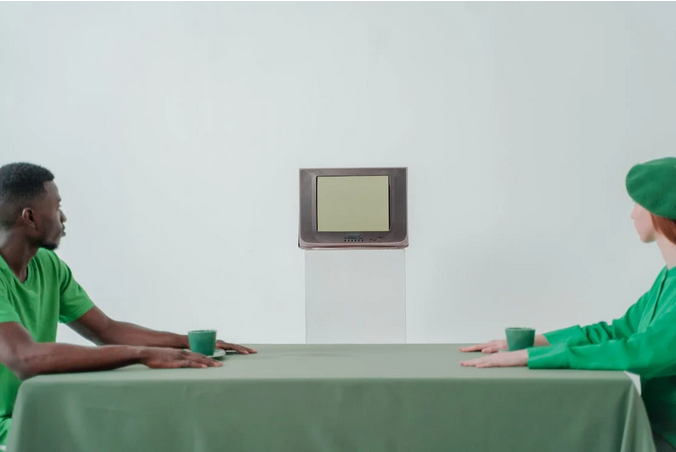
Cable TV provides consistent access to channels without frequent buffering or technical difficulties, which is especially important for older viewers. High-speed internet, required for streaming, is not always reliable in all areas, and troubleshooting digital devices can be frustrating. Traditional cable systems generally work with a simple plug-and-play setup, reducing stress and the need for technical knowledge. Seniors often value this stability, as interruptions or glitches can deter enjoyment. The reassurance of uninterrupted programming makes cable TV a dependable choice, offering entertainment without the stress of managing digital platforms or software updates.
Comprehensive Programming Options
Cable TV offers a wide range of channels and live content, which appeals to older viewers who prefer variety and immediacy. News, sports, talk shows, and specialty channels are all accessible without searching or subscribing to multiple streaming services. Unlike streaming platforms, which often require selecting content individually, cable delivers curated, continuous programming that requires minimal effort. Seniors appreciate being able to discover new shows while casually browsing, as well as having access to local news and events that may not be fully represented on streaming platforms. This comprehensive coverage contributes to the perception that cable TV provides a more complete entertainment experience.
Ease of Use
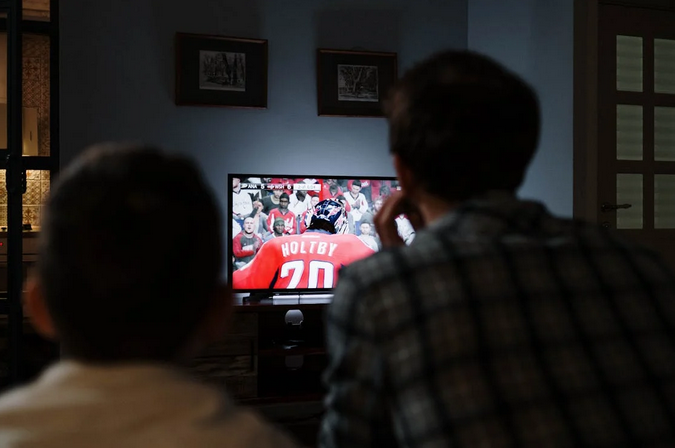
Simplicity is a major factor for older generations. Cable TV often comes with a straightforward remote, intuitive channel guide, and minimal setup. Streaming devices, apps, and subscription management can feel unnecessarily complicated for those not accustomed to technology. The tactile and predictable nature of cable systems allows seniors to focus on enjoyment rather than learning new interfaces or troubleshooting issues. This ease of use encourages continued loyalty, as older viewers feel confident operating their television without relying on assistance from family members or tech support. Familiar routines reinforce comfort and make the viewing experience more satisfying.
Nostalgia and Emotional Connection
Television has played a central role in the lives of many older adults for decades. Beyond functionality, cable TV evokes nostalgia and an emotional connection to past experiences. Favorite shows, long-running series, and channel-surfing rituals are embedded in daily routines and cultural memories. Streaming services, while innovative, cannot replicate the shared experience of live broadcasts, commercial breaks, or appointment viewing that cable provided. Emotional attachment to traditional television habits encourages continued use, as the experience goes beyond entertainment to encompass memories, tradition, and a sense of continuity in life.
Older generations continue to prefer cable TV because it combines familiarity, reliability, comprehensive programming, simplicity, and emotional resonance. While streaming offers flexibility and on-demand content, it often requires technological skills and adaptation that some seniors may find challenging. Cable TV provides stability, convenience, and a viewing experience aligned with long-established habits, making it the preferred choice for those who value comfort and predictability. Understanding these preferences highlights how entertainment choices are influenced not only by technology but also by routine, convenience, and emotional factors, ensuring that traditional cable remains relevant even in an increasingly digital world.